The Physiology of High-Humidity Impact Protection
An independent analysis of thermal regulation, optical surface degradation, and secondary impact absorption metrics inside equatorial mountain climates.
Selecting personal protective equipment for a long-distance mountain journey involves finding a delicate balance between impact protection and heat management. Inside the shifting microclimates of the northern valleys, where temperatures can climb to thirty-five degrees Celsius before dropping rapidly at high elevations, standard heavy leather gear is impractical. Operating a dependable scooter rental across these varying conditions requires gear designed specifically for the tropics. High ventilation, lightweight impact armor, and advanced moisture-wicking fabrics are mandatory for keeping you sharp, comfortable, and fully protected throughout your journey.
Many independent travelers underestimate the physical toll that constant tropical heat takes on your concentration. Riding for hours while dehydrated and overheated causes physical exhaustion that directly slows your reaction times on sharp mountain corners. By choosing protective gear built with high-airflow mesh panels and certified impact guards, you ensure maximum safety without compromising your body’s natural cooling systems.
Thermal Stress Data
A core body temperature increase of just one degree Celsius drops a rider’s cognitive processing speed by up to twelve percent, making high-airflow mesh jackets essential for long mountain loops.
Evaluating Helmet Safety Standards and Shell Integrity
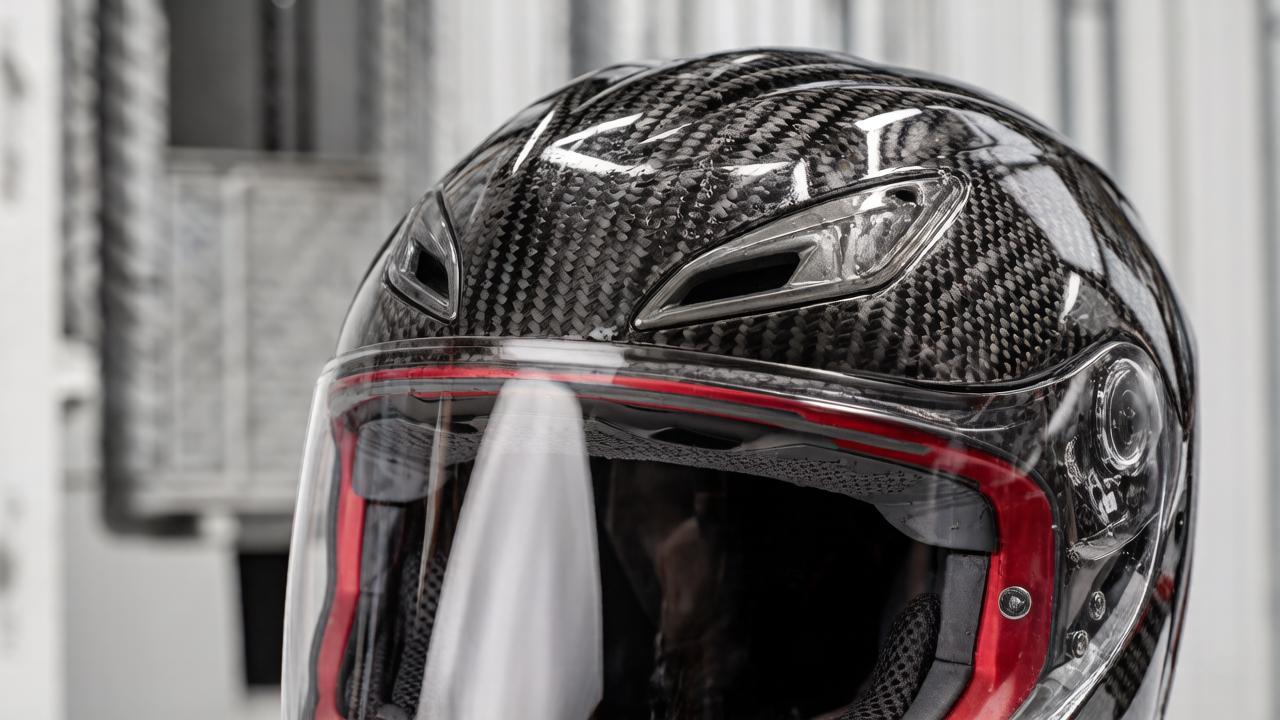
Your helmet is your single most critical piece of safety gear, serving as your absolute shield against severe head injury. When picking out a helmet at a local shop, look past superficial styling or colors and focus purely on official safety certification labels. Ensure the helmet shell carries a valid ECE 22.05 or 22.06 stamp, or at least a certified local TISI emblem, which proves the equipment has undergone rigorous impact and penetration testing.
Avoid lightweight open-face novelty helmets that offer zero chin protection. Statistics show that the chin area absorbs over thirty percent of all major impacts during a motorcycle accident. A sturdy full-face or high-quality modular helmet ensures complete facial coverage, shielding your jawbone, teeth, and facial nerves from structural damage. Check that the internal EPS foam liner fits snugly against your temples and jawline without creating painful pressure points that could cause a headache after an hour of hard riding.
Visor Logistics and Fog Prevention
Climbing up into the cloud forests of the national parks causes rapid changes in ambient humidity, which can instantly fog up a sealed helmet visor. This condensation blocks your forward vision, creating a significant hazard on tight mountain curves. Managing your visor’s optical clarity requires a proactive maintenance routine.
Body Armor Ventilation and Material Metrics
Traditional heavy textile riding jackets designed for cold climates will cause rapid overheating in a tropical environment. Look for jackets constructed from high-tensile 600D polyester mesh panels along the chest, inner arms, and back. This design allows air to flow freely through the jacket, using wind to evaporate perspiration and drop your core temperature while keeping you fully protected against abrasion.
Inside the jacket, verify that the impact guards located at the shoulders, elbows, and spine use flexible CE Level 1 or Level 2 armor compounds. These modern polymers stay soft and comfortable during normal movement but lock up instantly into a rigid shield upon impact, absorbing and dispersing dangerous crash forces away from your joints and bone structures. Ensure these pads sit correctly over your joints without sliding out of place when you extend your arms toward the handlebars.
Footwear Standards
Never operate a vehicle in open sandals or thin canvas slip-ons. Over forty percent of non-fatal riding injuries involve deep lacerations or fractures to the small bones of the ankle and foot joints.
Gloves and Ergonomic Grip Maintenance
Your hands are your primary tools for managing fine throttle adjustments and progressive braking pressure. Riding without gloves exposes your skin to painful sun damage and increases your risk of losing control if your hands get sweaty on hot handlebars. Select specialized tropical riding gloves that feature perforated leather palms, breathability vents along the fingers, and hard knuckle guards.
The gloves must fit perfectly without bunching up across your palms, which can cause painful blisters over a full day of mountain driving. A secure, high-traction grip allows you to operate the throttle smoothly and apply precise brake pressure over bumpy roads without causing hand fatigue. This ergonomic comfort keeps your control inputs exact, ensuring your machine handles cleanly and predictably through every turn.