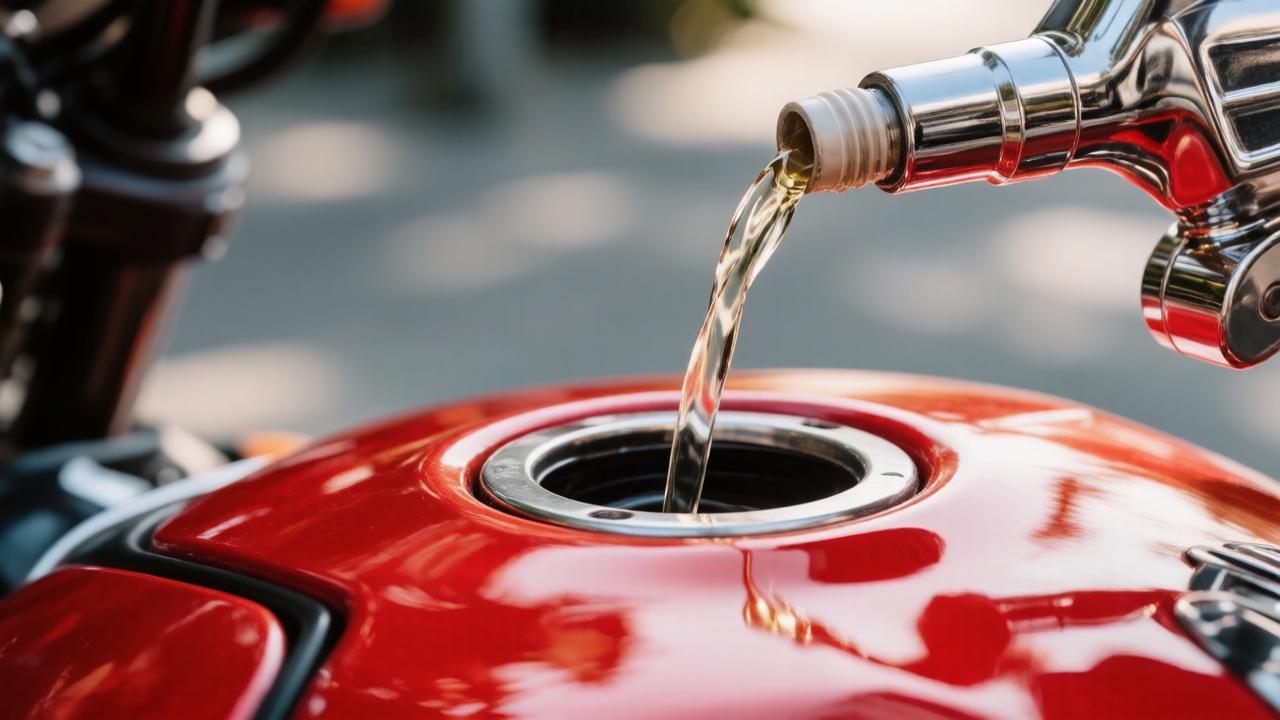
A comprehensive reference for decoding local octane ratings, automated dispenser mechanics, and fuel line contamination protocols.
Understanding the exact chemical requirements of your engine is just as critical to the safety of your journey as checking your tires or mastering mountain switchbacks. Throughout the northern province, fuel infrastructure varies wildly from massive, ultra-modern highway service hubs to tiny manual hand-cranked barrels in isolated border villages. Securing a reliable scooter rental allows you to escape standard tourist routes, but that freedom requires keeping your engine running smoothly. Navigating the colorful variety of fuel pumps, decoding local ethanol blend terminology, and knowing how to handle rural fuel logistics is vital for preventing expensive fuel system damage and keeping your mountain journey on track.
Modern fuel-injected engines are finely tuned machines that depend on stable fuel properties to calculate the correct air-to-fuel ratio, especially at shifting mountain altitudes. Introducing the wrong octane level or using old, contaminated fuel can cause instant engine knocking, loss of compression, or clogged injectors on steep hills. Learning to recognize local fuel pump markings, understanding the practical differences between fuel options, and adapting a smart fueling schedule ensures your machine stays fully functional across all elevations.
Decoding Local Octane Ratings and Colors
When pulling up to a major highway station, the first challenge is decoding the various colored pump nozzles and labels. In Thailand, consumer gasoline is universally referred to as Gasohol, which consists of unleaded petrol blended with locally sourced ethanol. The numbers displayed on the pumps indicate the research octane number, while the colors provide a quick visual sorting system for drivers.
Gasohol 95, typically marked with an orange or red label, is the premium choice for most modern rental machines. This blend features a high octane rating that prevents premature ignition inside the cylinder under heavy thermal loads, making it ideal for carrying heavy gear up long mountain climbs. Gasohol 91, usually designated with a green label, offers a slightly lower octane rating that is perfectly adequate for standard city driving but may cause minor engine pinging when pushing the machine hard up steep inclines.
The Reality of Alternate Ethanol Blends
Beyond standard 91 and 95 blends, you will often spot pumps labeled E20 or light green nozzles marked with alternative indicators. The ‘E’ rating shows the percentage of ethanol mixed into the fuel compound, with E20 containing twenty percent ethanol. While these fuels are cost-effective and highly popular among local commuter cars, they present specific mechanical issues for older or uncalibrated rental fleets.
Ethanol naturally holds more moisture than pure petroleum, and higher concentrations can accelerate wear on standard rubber fuel lines, gaskets, and injector seals if the vehicle sits idle for long periods. Additionally, burning E20 produces less energy per volume compared to standard Gasohol 95, resulting in a slight drop in engine power and fuel efficiency. When climbing major mountain ranges where every bit of engine power matters, stick to premium Gasohol 95 to ensure maximum throttle response and optimal engine cooling.
You may also encounter pure, unblended unleaded fuel, often labeled Benzine 95, which usually features a bright blue marking. This premium fuel contains zero ethanol and offers excellent storage stability and clean combustion qualities. While it is the most expensive option on the menu, it is an exceptional fuel choice for long-distance touring, though it is usually only found at large mainline stations near major municipal intersections.
Rural Fuel Systems and Automated Dispensers
Once you leave major highways like Route 107 or Route 108, modern multi-pump service stations disappear completely. In the high mountain villages of the Doi Suthep-Pui or Mae Taeng sectors, fuel logistics rely on smaller, community-run hardware installations.
Coin-Operated Fuel Kiosks
Automated standalone machines found at rural crossroads. They accept twenty and one hundred baht banknotes or coins, dispensing fuel through a small manual nozzle. Always check the digital octane reading before depositing funds.
Traditional Glass Bottles
One-liter glass beverage bottles filled with fuel and lined up outside local grocery shops. This is strictly emergency fuel; it often contains condensation moisture from being stored in plastic drums under changing day-to-night temperatures.
Handling Fuel Contamination and Mishaps
If you accidentally fill your tank from an old rural pump and your engine begins idling roughly or blowing dark smoke, pull over safely at the next village to fix the issue before it causes permanent damage. Fuel contaminated with water will settle at the bottom of the fuel tank, causing the fuel pump to send water directly into the combustion chamber, resulting in sudden sputtering or a total engine stall on steep hills.
To drain a contaminated tank in the field, locate the lower fuel delivery line or visit a local village repair shop, which can be spotted by stacks of used tires along the road. Local mechanics can quickly siphon out the bad fuel, clean the spark plug tip, and refill the tank with fresh fuel from a sealed container. Never attempt to push an engine through severe fuel knocking, as the extreme internal pressures can crack piston rings or scar cylinder walls very quickly.
When returning your vehicle to the rental office, clarify the fuel return policies listed on your original paperwork. The standard protocol requires returning the vehicle with the exact same fuel level it had when you first picked it up. Keeping your final fuel receipt from a station near the airport or city center verifies that you used the correct premium fuel type and ensures a smooth, hassle-free drop-off process with the shop staff.