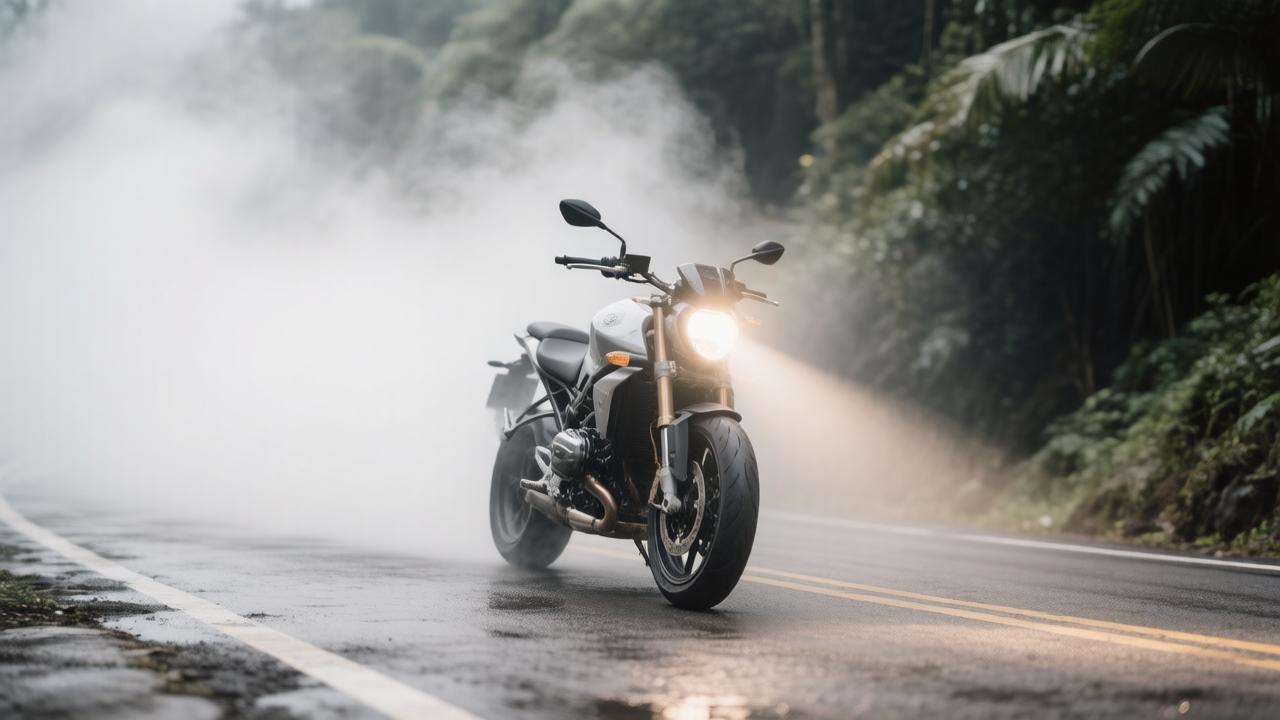
Tactical advice for managing traction loss, hydraulic resistance, and mountain vision deficits during tropical downpours.
The climate patterns of Northern Thailand bring sudden, dramatic shifts that can instantly transform a relaxed afternoon cruise into a highly demanding test of defensive driving skills. During the annual monsoon season, which heavily impacts the province from May through October, massive tropical weather fronts move rapidly across the high mountain ranges. Securing a premium scooter rental gives you the perfect mobility to discover hidden valleys, but it also requires a solid understanding of wet-weather logistics. Navigating sudden mountain storms, understanding shifting traction thresholds, and knowing how to handle severe vision deficits is vital for keeping your equipment stable and completing your journey safely.
Tropical rainstorms are vastly different from steady northern drizzle; they release massive volumes of water within minutes, rapidly overloading local drainage networks and converting standard mountain roads into active water pathways. This flash pooling, combined with oil residue lifted from hot asphalt surfaces, creates a highly slippery environment that demands immediate adjustments to your speed and body position. Learning to read these wet surface changes, managing your braking distances, and adapting to deep mountain fog ensures your machine stays fully under control across all elevations.
The Critical First Thirty Minutes of a Downpour
The absolute highest risk of losing traction occurs during the immediate opening phase of a rainstorm. Over weeks of hot, dry weather, passing commercial vehicles drop microscopic amounts of engine oil, diesel soot, unburnt fuel, and rubber particles onto the porous surface of the asphalt. When the first heavy raindrops hit this hot layer, they do not wash it away immediately; instead, they lift these oily fluids to the surface, creating a highly slick film across the road.
During this initial phase, the friction coefficient of the tarmac drops significantly, turning standard painted lane lines, metal construction plates, and manhole covers into severe sliding hazards. If a heavy downpour starts while you are riding, do not panic or brake suddenly. Reduce your throttle position smoothly, avoid leaning the machine over in corners, and find a safe, covered roadside area like a local village bus shelter or service station to wait out the initial heavy burst until the continuous rain can wash the oily film off the asphalt completely.
Managing Hydroplaning and Deep Flooded Patches
As water accumulates on flat highway sectors or valley floors, deep pools can form across entire lanes without warning. When small-displacement automatic vehicles with smaller wheels hit these deep patches at high speeds, a wedge of water can build up beneath the tire tread, lifting the rubber contact patch completely off the pavement. This dangerous phenomenon, known as hydroplaning, strips away all steering control and braking traction instantly.
If you see a flooded road sector ahead, reduce your speed substantially before reaching the water’s edge. Keep your handlebars straight, avoid making sudden throttle adjustments, and look directly through the pool toward clear pavement ahead. If the water is deep enough to cover your footboards, find an alternative route entirely; entering deep water can allow moisture to enter the engine air intake box, which will stall the motor instantly and cause permanent internal mechanical damage.
When riding behind other vehicles on wet roads, position your tires to track directly inside the physical path cleared by their wheels. The tires of larger passenger cars push away standing surface water temporarily, leaving a briefly clearer path with slightly higher traction levels. Maintain a generous following distance—at least double your standard dry-weather spacing—to give yourself ample time to spot deep potholes hidden beneath the murky water surface.
Mountain Fog and High Altitude Vision Deficits
Climbing the high ridges toward locations like Doi Inthanon during the rainy season brings unique visibility challenges. Low-hanging storm clouds frequently lock onto dense jungle canopies, reducing forward vision to less than fifteen meters within single turns.
Lighting Management
Keep your low-beam headlights active continuously; never activate your high beams in dense mist, as the light will reflect off the water droplets directly back into your eyes, creating a blinding glare. Utilize your hazard lights only if you are forced to stop on a dark shoulder.
Audio Monitoring
Crack open your helmet visor slightly to prevent internal fogging and listen closely for the sound of oncoming engines. Mountain trucks often use heavy horn signals before entering tight, blind curves shrouded in heavy cloud cover.
Braking Physics on Wet Mountain descents
Slowing your machine down safely on steep, wet downhills requires a complete shift from dry-weather habits. Relying heavily on your front brake lever on a slick incline can lock the front wheel instantly, causing the steering column to tuck and forcing a rapid low-side crash. Instead, apply brake pressure progressively, using an even sixty-forty split favoring the rear brake lever to keep the chassis stable.
Make all steering inputs smooth, deliberate, and gentle. Avoid sharp or sudden handlebar movements when leaning through mountain turns, and keep your lower body firmly anchored against the machine’s seat to minimize shifting balance issues over slippery patches. If you spot a section of wet fallen leaves, pine needles, or red mud washed down from the hillside cuts, glide through it in a straight line with a steady, neutral throttle position.
Finally, ensure your personal gear is designed to handle changing monsoon conditions. Pack your passport, driving documents, electronics, and rental agreements inside double-sealed waterproof dry bags beneath your seat compartment. Wearing a high-visibility, bright rain poncho or jacket keeps your core body temperature stable against chilly mountain drafts and ensures you stay clearly visible to long-distance truck drivers sharing the winding mountain routes.