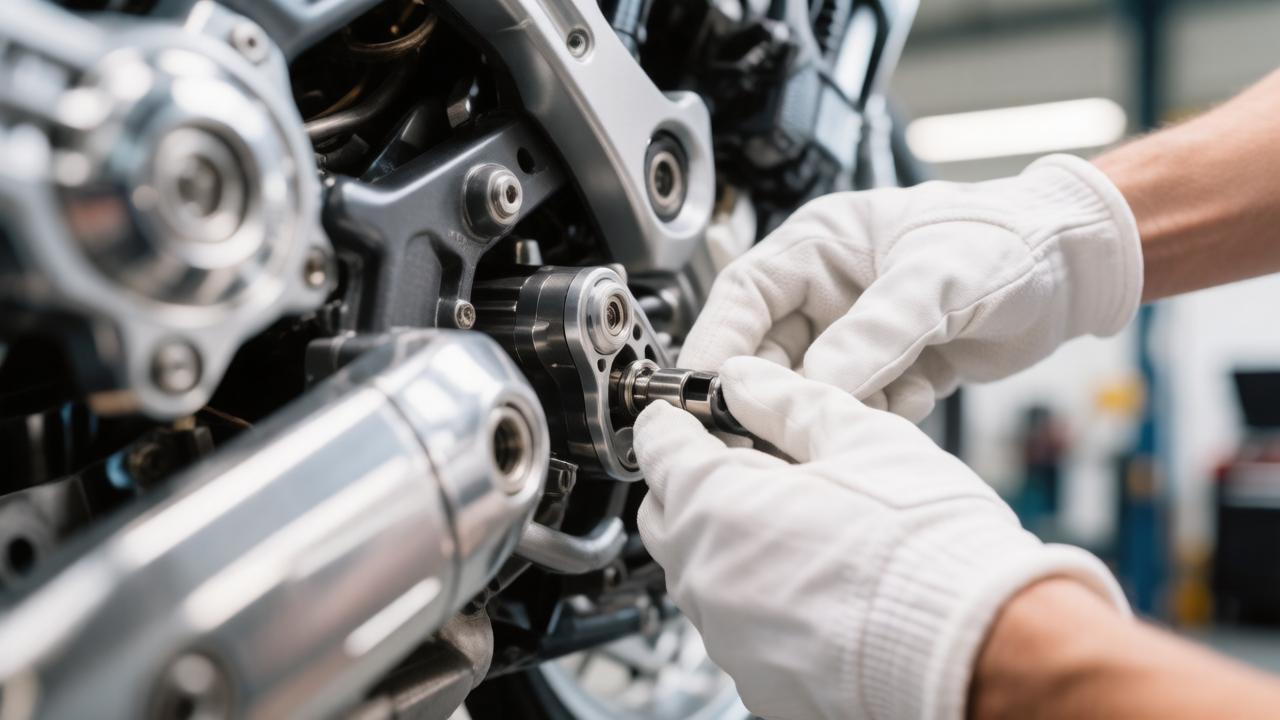
Engineering & Maintenance Protocol
A comprehensive mechanical framework for identifying structural wear, hydraulic degradation, and engine anomalies before operating vehicles on alpine inclines.
Operating a small-displacement automatic machine under the intense thermal stress of mountain ascents requires an absolute guarantee of mechanical health. In an environment where the road surface can transition instantly from smooth hot asphalt to wet, mud-slicked concrete, relying on a visual assessment of a vehicle is a major risk. A truly successful journey across northern trails relies on a systematic, disciplined inspection of the machine’s core operating assemblies. Securing a premium scooter rental in the northern capital is not merely a commercial transaction; it is a critical safety choice that dictates your stability on the thousands of mountain curves ahead.
Experienced riders know that rental fleets in heavy tourist hubs experience high utilization rates. This constant operation accelerates component fatigue, particularly in areas that are not immediately visible during a quick walkaround. The constant heat cycles of the tropical sun, combined with dusty rural tracks, put extreme stress on drive belts, air filters, suspension seals, and brake fluids. Understanding how to perform a professional mechanical evaluation ensures that hidden defects are caught at the shop before they manifest as dangerous failures on a remote mountain pass.
Assembly System | Critical Wear Limits | Diagnostic Field Test |
|---|---|---|
Hydraulic Braking | Brake pad thickness must exceed 3mm. Fluid inside the master cylinder reservoir window must be amber, not dark brown. | Apply full lever pressure for 30 seconds; feel for slow pressure drops or internal sponginess in the lines. |
Suspension Damping | Chrome stanchions must be free of pitting. Rubber dust boots must show no signs of active oil weeping or tearing. | Hold the front brake lever tight and compress the forks firmly multiple times; inspect the fork tubes for fresh oil rings. |
CVT Transmission | Smooth clutch engagement without shuddering. The drive case cover must be free of oil leaks around the shaft seals. | Accelerate gently away from a dead stop on an incline; listen closely for slipping belts or metallic rattling. |
I. Tire Geometry and Compound Evaluation
The interface between your machine and the road surface consists of two small rubber contact patches, each barely larger than a standard credit card. On small automatic platforms utilizing ten to fourteen-inch wheels, tire health is your absolute defense against losing traction. When evaluating the rubber compound, look past the central tread depth. Inspect the tire sidewalls for fine dry-rot cracks caused by constant ozone exposure, and check for structural distortion along the tire carcass.
Uneven tread wear patterns, such as feathering or cupping along the front tire edge, reveal underlying issues with suspension alignment or bent steering stems. Furthermore, a tire that has developed a flat center profile from prolonged highway use will resist smooth corner entry, causing a sudden, unpredictable dropping sensation as you lean the machine into a curve. Insist on a tire set that displays a clean, round profile with healthy rubber density across the entire tread area.
Tire inflation pressures must be adjusted to match your total payload. A tire that is under-inflated will flex excessively under cornering forces, generating internal heat that compromises traction and causes sluggish steering response. Conversely, an over-inflated tire reduces the overall size of your contact patch, causing an unstable, harsh ride over broken pavement or unexpected concrete expansion joints.
II. Electrical System and Battery Health Analysis
Modern fuel-injected engines rely entirely on a stable electrical current to operate their high-pressure fuel pumps, electronic control modules, and ignition systems. A weak battery or a failing stator can leave you stranded in a mountain valley where mobile phone reception is non-existent. Before accepting a unit, active diagnostics must be run on the charging circuit.
Turn on the high-beam headlight assembly and actuate both turn indicators simultaneously while holding down the brake lever. If the instrument panel display backlighting dims or flickers in time with the indicator relay, the charging loop is compromised. Additionally, test the electric starter when the engine is cold; any hesitation, clicking, or slow cranking points to an aging battery that may fail after a short engine-off break at a high mountain pass.
III. Engine Acoustics and Lubrication Integrity
A healthy internal combustion engine displays a crisp, uniform exhaust note free of irregular mechanical noise. Start the machine on its central stand and let it drop into a steady idle. Listen closely to the lower cylinder head zone; any pronounced ticking or metallic slapping indicates excessive valve clearances or a loose timing chain assembly. These issues cause rapid power loss as the engine heats up during long hill climbs.
Verify the condition of the engine lubricant by requesting a dipstick check. Engine oil that is jet black and has a strong burnt smell has long passed its useful service life, meaning it has lost the viscosity required to protect vital internal components at high RPMs. The fluid should display a translucent, amber hue. A milky or white tint in the oil reveals internal coolant leakage, a critical flaw that will result in total engine failure under heavy loads.
Finally, examine the cooling system on liquid-cooled models. Ensure the radiator core is free of bent fins or impacted mud debris that can block airflow. Inspect the overflow tank level and look closely at the water pump housing for crusty blue or green residue, which indicates an active coolant leak under pressure.
IV. Verification Protocol Complete
Taking those extra ten minutes to complete a thorough mechanical check before departing protects your safety and ensures your journey through the gorgeous northern mountains stays smooth and uninterrupted. A peak-conditioned machine allows you to focus fully on the incredible landscapes, empty mountain highways, and cultural treasures waiting around every single turn.