Expedition Report
An architectural breakdown of the terrain, altitude shifts, and mechanical endurance required for Northern Thailand’s most demanding mountain circuits.
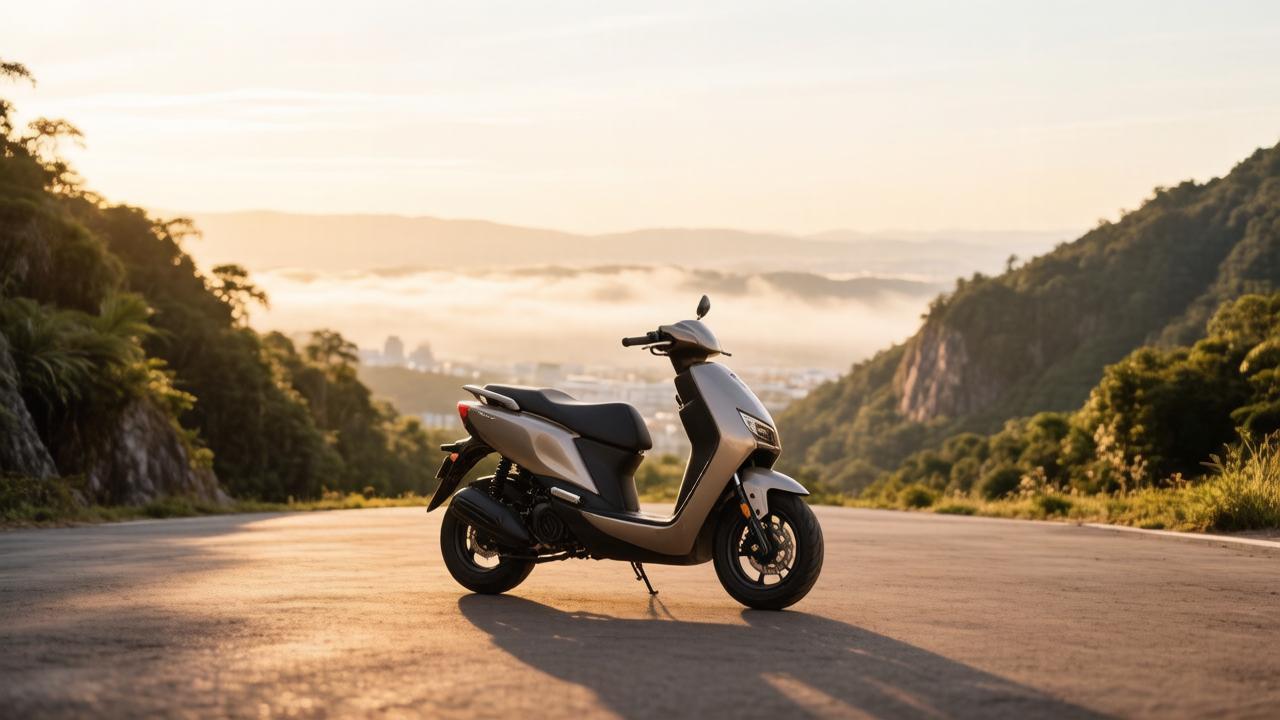
The mountainous topology surrounding the ancient northern capital of Thailand resists superficial exploration. While casual travelers confine their experiences to the immediate urban interior of the historical moat, the true geopolitical and cultural landscape of the region unfolds only as the elevation increases. To safely navigate these thousands of vertical feet, tight mountain switchbacks, and remote jungle corridors, your transport choice must be flawless. Securing a reliable scooter rental chiang mai shifts your journey from a passive passenger seat into a highly focused, independent expedition through some of the finest mountain infrastructure found in Southeast Asia.
The transition from the flat agricultural plains of the valley into the rugged highlands involves understanding shifting weather patterns, steep asphalt gradients, and thermal variations. At sea level, urban traffic management requires defensive driving skills to navigate sudden lane changes by local utility trucks and passenger pickup vehicles. However, once you cross the threshold of the national park limits, the operational parameters change completely. The rider must manage continuous engine heat dissipation, brake pad friction, and centrifugal forces while moving through sharp hairpins that challenge both the physical equipment and personal concentration.
I. The Samoeng Loop Mechanical Demands
The Samoeng Loop stands as the foundational proving ground for motorcycle and scooter travel across the province. Spanning roughly one hundred kilometers of continuous curves, this legendary route forces the operator to constantly balance speed against momentum. The southern approach along Route 1269 features immediate, sustained inclines where small-displacement automatic engines are pushed to their absolute thermal limits. Maintaining a steady throttle position without causing CVT belt overheating is crucial for completing the initial climb safely.
As the road reaches its highest point near the Samoeng Forest viewpoint, the microclimate shifts. Mountain mist often settles in the tight valleys, leaving a thin layer of moisture on the shaded corners. This condensation, combined with standard tropical road debris like loose gravel and fallen organic matter, creates a friction coefficient that demands progressive braking techniques rather than sudden, panicky inputs on the brake levers.
II. Terrain Mapping and Surface Variations
Road construction standards across Northern Thailand are generally exceptional, featuring deep-pour asphalt designed to withstand heavy monsoon water flows. However, the extreme thermal expansion during the dry season, followed by torrential rains from May to October, causes specific localized pavement damage. Riders must remain constantly vigilant for longitudinal cracks that form along the outer edge of mountain shoulders where the underlying soil has settled over time.
When descending from high elevations, particularly on the steep roads behind Doi Suthep or along the back roads of Mae Rim, gravity introduces significant kinetic energy that must be carefully managed. Continuous application of the brakes on a light scooter will rapidly heat the brake fluid, leading to brake fade or total hydraulic failure. The correct methodology involves using intermittent, firm braking on straight sections to drop speed, then releasing the levers entirely to let the disc rotors cool down before entering the next corner.
The northern sector towards Mae Taeng presents an entirely different road profile. Here, the lanes widen into high-speed transit corridors where crosswinds can impact the stability of a lightweight scooter. Large commercial trucks transport agricultural goods between provinces along these routes, generating turbulent wakes that require a firm, relaxed grip on the handlebars and a central position within your lane to ensure safety.
III. Critical Fuel and Resource Strategy
Fuel management in remote areas is an art form that directly impacts the safety of your route. While urban centers feature modern, well-lit fuel stations with high-octane gasoline, mountain communities rely almost exclusively on automated, coin-operated fuel pumps or hand-cranked glass barrels stationed outside local dry goods stores. This fuel is often stored for long periods, meaning it can accumulate moisture and sediment that can affect modern fuel-injection systems.
Urban Supply Points
91 and 95 premium gasolines are universally accessible. Stations include basic repair facilities, tire pressure gauges, and clean water supplies for cooling down equipment.
Rural Supply Realities
Gasoline is distributed via individual one-liter glass bottles or unbranded pumps. Always check for clarity in the fuel; cloudy gasoline indicates water contamination.
To avoid fuel emergencies, adapt a conservative strategy: never let your fuel gauge drop below the halfway mark when entering a mountain highway. The steep inclines alter the fuel float sensor inside the tank, often resulting in inaccurate, overly optimistic dash readings that can mask a critically low fuel level until you are far from assistance.
IV. Navigating the Mae Wang Off-Grid Paths
For those seeking an alternative to the crowded northern loops, the route heading south toward Mae Wang provides an authentic look into the traditional geography of the Chiang Mai basin. This territory features single-lane concrete roads that wind through small farming villages, local fruit orchards, and low-lying river valleys. The primary hazard here is not altitude, but unpredictable obstacles on the road surface.
Water buffalo and domestic livestock frequently cross these rural roads, particularly during the late afternoon hours when farmers guide them back to their enclosures. Furthermore, local agricultural practices often involve using parts of the dry asphalt surface to sun-dry harvested rice or red chili peppers. Respecting these community activities by slowing down substantially ensures safe passage and builds positive relations between travelers and locals.
As you approach the foothills of Doi Inthanon along this southern route, the road transitions into a mix of broken concrete and hard-packed soil. This terrain requires a smooth throttle hand and soft body positioning to absorb the vibrations without losing traction on the small wheels of a standard scooter. If your vehicle is not equipped with long-travel suspension, keeping your speed low is the only effective way to prevent structural rim or tire damage.
V. Architectural Takeaways for the Long-Distance Rider
Successfully exploring Northern Thailand requires a deep respect for the terrain, a realistic assessment of your own riding experience, and a vehicle kept in peak mechanical condition. By selecting your transport with a focus on mechanical health, maintaining a disciplined fueling schedule, and respecting local traffic patterns, the mountain roads become an open door to unparalleled freedom, stunning vistas, and unforgettable memories across this ancient kingdom.